What are dermal fillers?
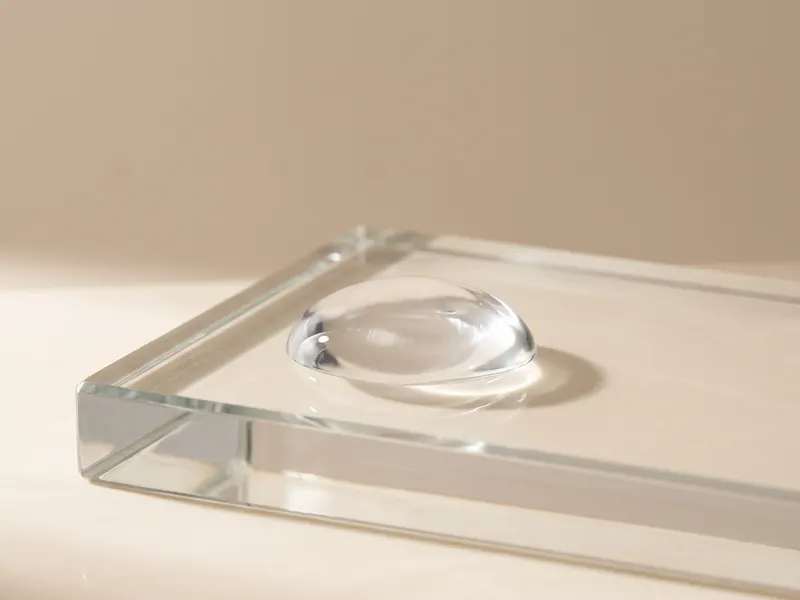
Dermal fillers are soft, gel-like products made mainly from hyaluronic acid — a sugar molecule your skin already makes to hold on to water and stay plump. As we age, we gradually lose volume from the face: cheeks can flatten, lips can thin and the jawline can soften. Carefully placed filler can restore some of that support so that your face looks rested and balanced, rather than changed.
At LUMÉ we only use hyaluronic acid fillers from established manufacturers. They are gradually broken down by the body over time and, if ever needed, can usually be dissolved. Our approach is conservative: we would always rather add a little more at your review than too much on the day.
Who are they suitable for?
Dermal fillers may suit healthy adults aged 18 and over who would like a subtle improvement in areas such as:
- Lips — gentle definition, hydration or balance between the upper and lower lip.
- Cheeks — soft support where volume has been lost over time.
- Jawline and chin — improved definition and facial balance in profile.
- Under-eye hollows — only after a careful assessment, as not everyone is suitable.
Fillers are not suitable for everyone. We will not treat you if you are pregnant or breastfeeding, have an active skin infection near the area, or have certain medical conditions or allergies. We check your full medical history at your consultation and will always tell you honestly if we think a different option — or no treatment at all — would suit you better.
What happens at your appointment?
- Consultation. We talk about what you’d like to change, look at your face at rest and as you speak, and check your medical history.
- Your plan. Your practitioner explains the areas and amount they recommend, the expected result, the risks and the exact price — in writing.
- Time to think. You are welcome to go away and decide later. There is no pressure to be treated on the same day.
- Treatment. Skin is cleansed and numbing cream applied if needed. Many fillers also contain a local anaesthetic for comfort. The treatment itself usually takes 20–30 minutes.
- Review. We invite you back after about two weeks, once any swelling has settled, to check you are happy.
Downtime and aftercare
Most people return to normal day-to-day activities straight away. It is common to have some swelling, tenderness or small bruises for one to three days — lips usually swell the most. We suggest avoiding important events for about a week after lip treatment.
For the first 24–48 hours we recommend that you:
- avoid make-up on the treated area for 12 hours;
- avoid alcohol, strenuous exercise, saunas and very hot drinks;
- avoid pressing or massaging the area unless we have asked you to;
- sleep with your head slightly raised the first night.
You will leave with written aftercare advice and a direct number to call if you have any concerns.
Risks, in plain language
Every medical treatment carries some risk, and you deserve to understand it before deciding. Common, short-lived effects include swelling, redness, tenderness and bruising. Less common risks include lumps, uneven results, infection or an allergic reaction. Rarely, filler can block a blood vessel, which needs urgent treatment — this is one of the reasons fillers should only be given by a trained medical practitioner who can recognise and manage complications. Our team is trained in emergency care and keeps the necessary medicines on site.
Results. Most hyaluronic acid fillers last 6–18 months depending on the area and your body. Individual results vary, and we never promise or guarantee an outcome.